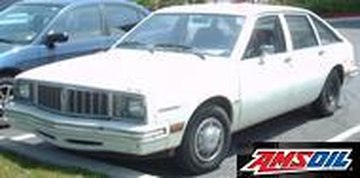
Engine Lubrication Maintenance for the 1982 Pontiac PHOENIX 2.5L
Maintaining a vehicle from the early 1980s requires a shift in perspective compared to modern automotive care. For owners of a 1982 Pontiac Phoenix equipped with the 2.5L engine, routine lubrication management is a fundamental aspect of preserving mechanical integrity. Because older engines often operate under different thermal and friction profiles than contemporary designs, consistent attention to oil condition and system cleanliness is essential for long-term operation.
Monitoring Fluid Condition and Potential Leaks
One of the most effective ways to monitor the health of a 2.5L engine is through regular visual inspections of the lubrication system. Over time, various components may experience changes in their ability to maintain a perfect seal. Rather than assuming a component has failed, owners should look for evidence of seepage or active leaks during routine service intervals.
When inspecting the engine bay, pay close attention to the areas around gaskets and seals. Any signs of wetness or dark, oily residue on the engine block or surrounding components warrant closer investigation. It is also beneficial to check the area around the oil drain plug and the filter mounting surface to ensure that previous service was performed correctly and that no residual seepage is occurring from those connection points.
If you notice a change in the appearance of the oil—such as an unusual color or a gritty texture—this can be associated with various factors, including internal contamination or extreme thermal stress. Similarly, if you observe any unexpected fluid loss, it should be investigated promptly to prevent potential issues related to low lubricant levels.
Managing Maintenance Records and Service History
For an older vehicle like the 1982 Pontiac Phoenix, establishing a clear maintenance baseline is highly advantageous. If the previous service history of the vehicle is unknown, the first step in responsible ownership is to document every subsequent oil change, filter replacement, and mechanical inspection. This creates a reliable timeline that helps identify patterns in how the engine behaves over time.
Reviewing available records can help distinguish between routine maintenance and necessary repairs. For example, knowing exactly when the last lubrication service occurred allows you to prioritize upcoming tasks more effectively. If there are gaps in the vehicle's history, treating every fluid change as an opportunity to reset a known baseline is a practical approach to long-term ownership.
Consistent record-keeping also assists when diagnosing new symptoms. If a mechanical noise or a change in performance occurs, having a documented history of recent repairs can help determine if the issue is related to a new development or an ongoing condition that has recently changed. This organized approach moves maintenance from a reactive process to a proactive one.
Observing Potential Warning Signs
While many engine issues develop gradually, certain symptoms serve as important indicators that the lubrication system requires attention. It is vital to remember that symptoms can have multiple underlying causes, and observing a single sign does not automatically point to one specific failed component. Instead, these signs should be viewed as prompts for further inspection.
Potential indicators include:
- Changes in lubricant consumption: If you find yourself needing to add oil more frequently than in the past, this warrants an investigation into potential sources of loss or consumption.
- Unusual mechanical sounds: Any new or persistent noises coming from the engine area should be evaluated by a professional to ensure internal components are receiving adequate lubrication.
- Visible exhaust characteristics: While smoke can be caused by many factors, certain types of exhaust discoloration may be associated with the way the engine is managing its lubricants.
- Warning indicators: If any dashboard lights related to the engine or oil system illuminate, immediate investigation is necessary to prevent damage.
By staying observant of these signs, an owner can address minor concerns before they escalate into more significant mechanical requirements.
Prioritizing Long-Term Engine Care
As a vehicle ages, maintenance priorities often shift from simple part replacement to condition-based monitoring. For the 1982 Pontiac Phoenix, this means focusing on the actual state of components rather than relying solely on the age of the vehicle. A well-maintained engine may require different attention than one that has experienced inconsistent service.
When deciding where to focus your efforts, address active leaks or clear warning signs first. Once the immediate operational needs are met, you can transition into preventive maintenance. This includes inspecting aging materials such as hoses (if present) and accessible belts (if equipped) for signs of deterioration like cracking, glazing, or fraying. While these components may not be directly part of the lubrication system, their condition is vital to the overall health of the engine environment.
Distinguishing between necessary preventive maintenance and unnecessary parts replacement is a key skill for long-term owners. If a component is functioning correctly and shows no signs of wear or impending failure during inspection, there may be no immediate need for replacement. This measured approach ensures that maintenance resources are directed toward the areas that provide the most benefit to the vehicle's longevity.
Selecting Lubricants for the 2.5L Engine
The choice of engine oil is a critical decision in the maintenance of any internal combustion engine. For an older application, understanding the different types of available lubricants can help you make an informed choice that aligns with your specific needs. Modern lubricant technology offers several formulations, including conventional oils, synthetic blends, and full synthetic options.
Some high-mileage oil formulations contain additives intended for use in aging engines. These formulations may include seal-conditioning additives designed to help maintain the integrity of various gaskets and seals. While these are not a substitute for repairing active leaks, they can be a consideration for owners managing an older engine with minor seepage.
When selecting a product, always prioritize quality and certification. Look for the appropriate API (American Petroleum Institute) service symbols on the container to ensure the oil meets modern standards for deposit control and thermal stability. This helps ensure that the lubricant can effectively manage the heat and friction inherent in engine operation.
Practical Advice for Buying Engine Oil for your 1982 Pontiac PHOENIX 2.5L
When you are ready to purchase new lubricant, do not rely on general automotive knowledge or assumptions based on the vehicle's age to determine the correct grade. The most accurate way to ensure compatibility is to match the engine oil to the application-specific viscosity information already displayed on this webpage.
Before completing your purchase, follow these practical steps:
- Verify Viscosity: Match the SAE viscosity listed in the application information provided above. Do not substitute a different grade based on climate or personal preference unless it matches the specific requirements for this 2.5L engine.
- Check Product Labels: Ensure the bottle clearly states the viscosity and meets the necessary API certifications.
- Consider Formulation: Depending on your engine's current condition, you may choose between conventional, synthetic blend, or high-mileage formulations, provided they meet the required viscosity specifications shown on this page.
By strictly adhering to the application-specific data provided for your 1982 Pontiac Phoenix, you ensure that the engine receives the lubrication it was designed to utilize.